
For a long time, college wasn’t part of the conversation for students with intellectual disability. Right now, only 2 percent of school-age students with intellectual disability go to college. That’s changing. Across the country, a growing number of colleges and universities are building programs where these students take classes, live in the dorms, hold jobs, and graduate with the same sense of belonging as any other student.
Think Inclusive and Think College teamed up to explore what that looks like in practice. This series is for educators, transition teams, and administrators thinking about what comes after high school. It’s also for any family wondering whether college is possible for their student. The answer, again and again, is yes, if the systems are built right.
Explore with us what inclusive post secondary college programs across the country have to offer.
What Happens When We Think College for Everyone?
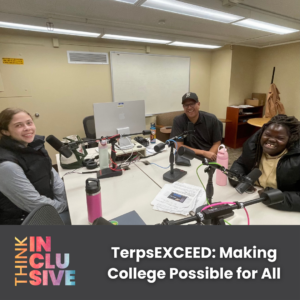
Episode 1: TerpsEXCEED: Making College Possible for All
At the University of Maryland, students with intellectual disabilities take UMD courses alongside their peers, live in the dorms, and are supported by more than 170 trained peer mentors. TerpsEXCEED just received its first federal TPSID grant and was written into the Maryland state budget last year. This episode follows students, mentors, and founding director Amy D’Agati through what it took to build a program where, as one coordinator put it, the question was never “why,” only “how.”
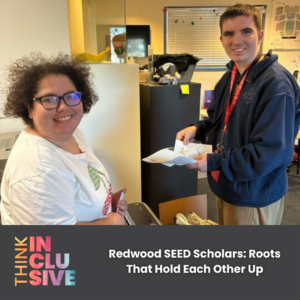
Episode 2: Redwood SEED Scholars at UC Davis
California’s first four year residential college program for students with intellectual disability started with a mother, a son, and a blister. Founding director Beth Foraker built the Redwood SEED Scholars Program on a simple idea: give students four years, inclusive living, and a real circle of support, and the outcomes follow. Of the program’s first graduating class, 88 percent live independently and all are working, with no job coaches. This episode is about what a “continuum of inclusion” looks like when a whole town is built for it.
Episode 3: Georgia State University
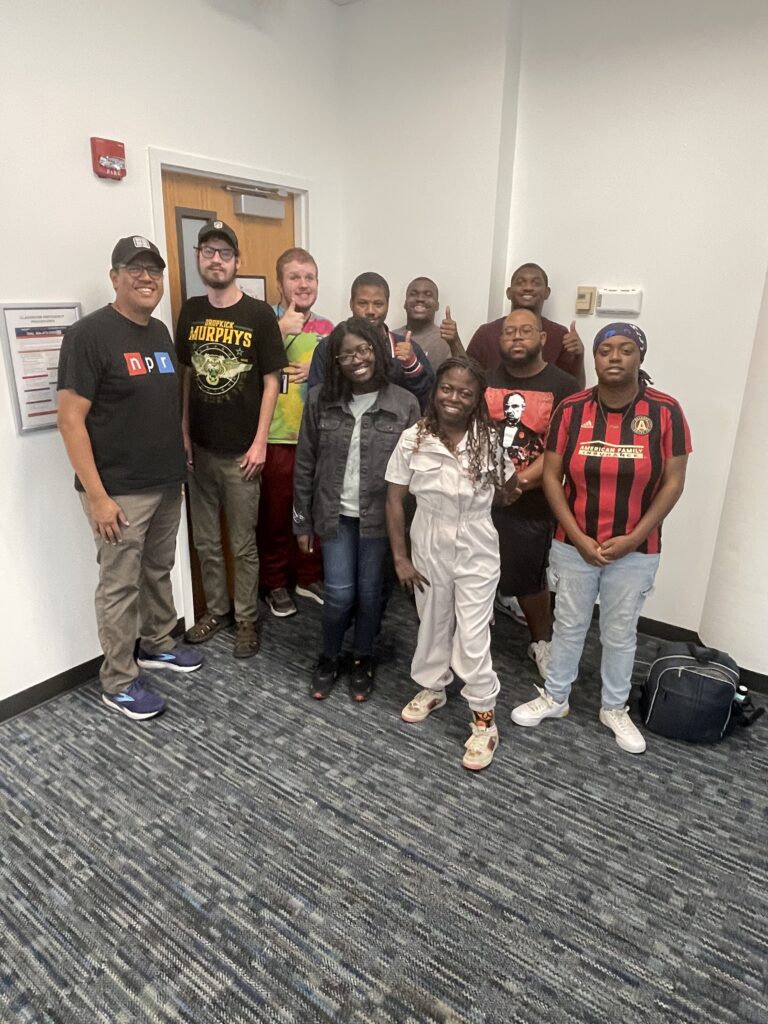
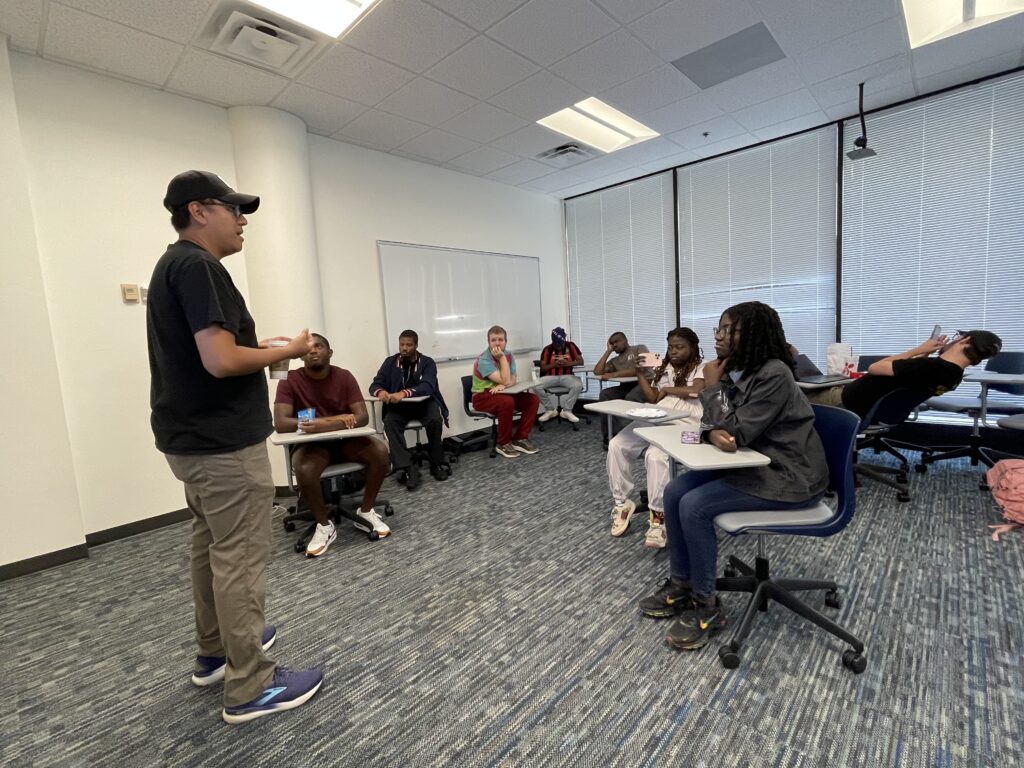
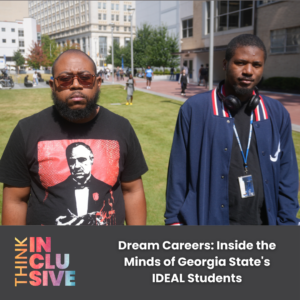
Visit the IDEAL program at Georgia State University where they are rewriting what a college degree pathway can look like in the heart of a city. At Georgia State University in downtown Atlanta. IDEAL — Inclusive Digital Expression and Literacy — is a college program for students with intellectual disabilities built around creative media: film, television, and digital arts. It is also a commuter program. There are no dorms and no leafy college town here. Every student crosses one of the most traffic-choked metro areas in the country to get to class. The heart of the episode is a question about what stands between a dream like that and an actual job — and the answer starts with a checkbox.
Episode 4: Unlocking College Access for Students with Intellectual Disabilities with Think College
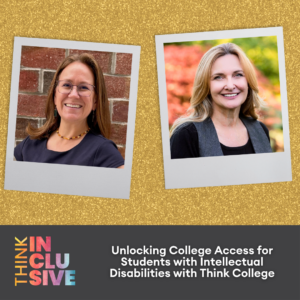
In this final episode of the series, host Tim Villegas is joined by Dr. Meg Grigal and Clare Papay from Think College. Together, they tackle the crucial question: Can students with intellectual disabilities attend college? The conversation touches on the possibilities and initiatives in inclusive postsecondary education. They delve into how programs like Think College are leading this transformative movement, turning skepticism into affirmation through real-world examples and dedicated campaigns like the Think Higher video. Emphasizing the importance of personal visits to witness campus life, the guests underscore how seeing these programs in action can shift perceptions and expectations for what students with intellectual disabilities can achieve in a college setting.
Related Episodes
Think College Resources
If this series raises questions about what’s possible for a student in your school or family, Think College is the place to keep exploring.
- Think Higher, Think College — the public awareness campaign sponsored by Think College.
- College Search — a searchable national directory of inclusive postsecondary programs, filterable by state, program length, and housing options.
- “K-12 Educators Can, and Should, Think College” — a short video where high school educators, transition specialists, and administrators talk through how they built college into the plan for their own students. Good to share at a team meeting.
- A Guide to Writing an Individualized Plan for Employment — a practical resource for transition teams supporting a student’s path to paid work.
For Educators
If you work in transition planning, this series is built for you. Share it with your IEP team, your school counselors, or a family asking what comes after graduation. College belonging doesn’t start senior year. It starts with the expectation, set early, that it’s possible.
Subscribe to Think Inclusive so you don’t miss the rest of the series.
This four-part series in collaboration with Think College at the University of Massachusetts Boston.