
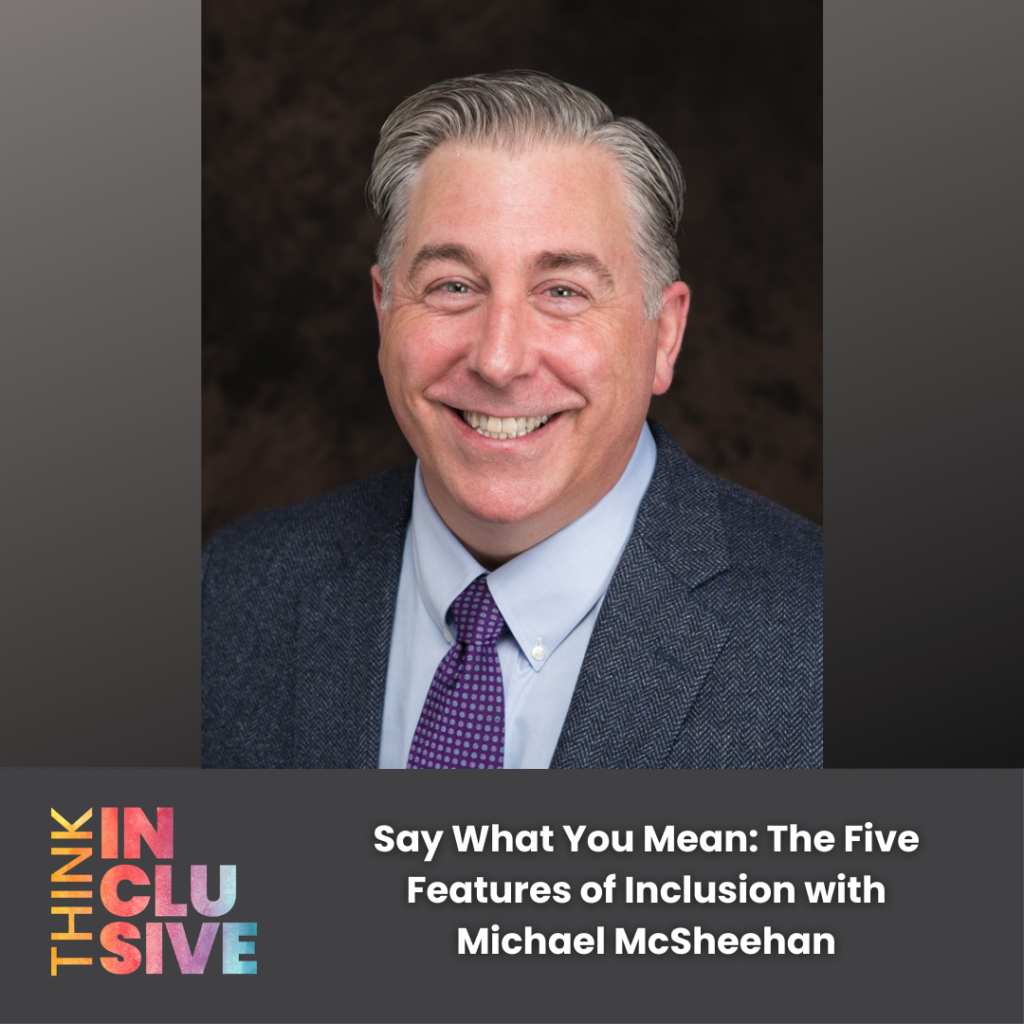
Say What You Mean: Michael McSheehan on the Five Features of Inclusion ~ 1404
Michael McSheehan says it’s time to stop saying “inclusion” without saying what we mean. He explains the Five Features of Student Experience: location, accessibility, participation, affirmation, and agency, each measured against what classmates without disabilities experience.
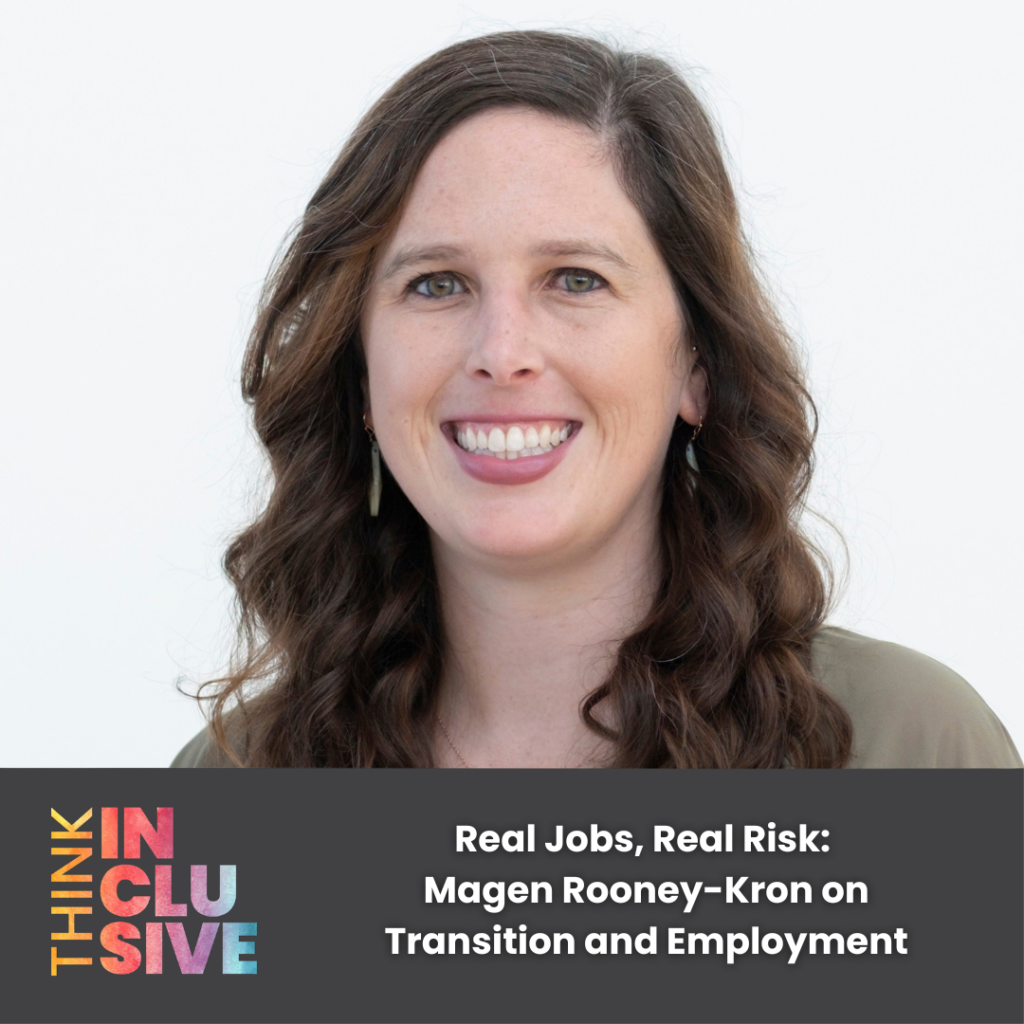
Real Jobs, Real Risk: Magen Rooney-Kron on Transition and Employment ~ 1403
Magen Rooney-Kron started out co-teaching in Chicago Public Schools. When she asked where her students with intellectual disabilities went after high school, the answers were “I don’t know” and “they go home.” She and Tim talk about why so few people with intellectual disability have real jobs, and what transition programs can do about it.
A Message from the MCIE Board: New CEO Named
We are pleased to announce a significant development within our organization. The MCIE Board of Directors has appointed Tim Villegas as our new Chief Executive Officer. Tim brings six years of committed service and has adeptly led our organization through a transitional phase, showcasing a strong dedication to our mission. As a prominent advocate for inclusion and the creator of the respected Think Inclusive Podcast, Tim has played a key role in advancing discussions surrounding inclusive education. We invite you to welcome this new chapter in MCIE's journey and explore how Tim's leadership will further our mission.
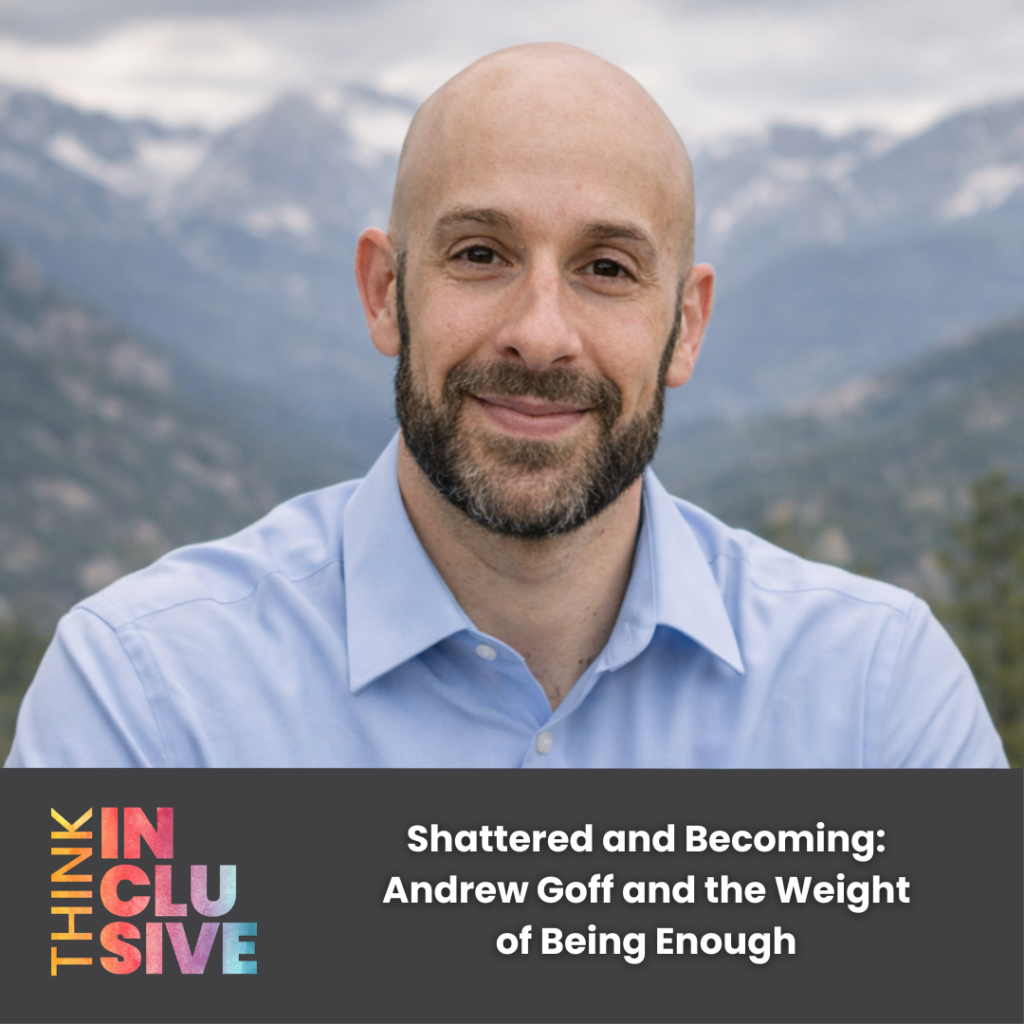
Shattered and Becoming: Andrew Goff and the Weight of Being Enough ~ 1402
Andrew Goff returns to Think Inclusive to talk about his final year in the classroom and the book he spent ten years learning how to write. A new principal arrived with an interpretation of a legal guideline that barred Spanish in a classroom where three-quarters of the children were dual language learners and two of the teaching assistants were fluent speakers. Andrew complied as far as he could, then discovered the policy said nothing of the kind.
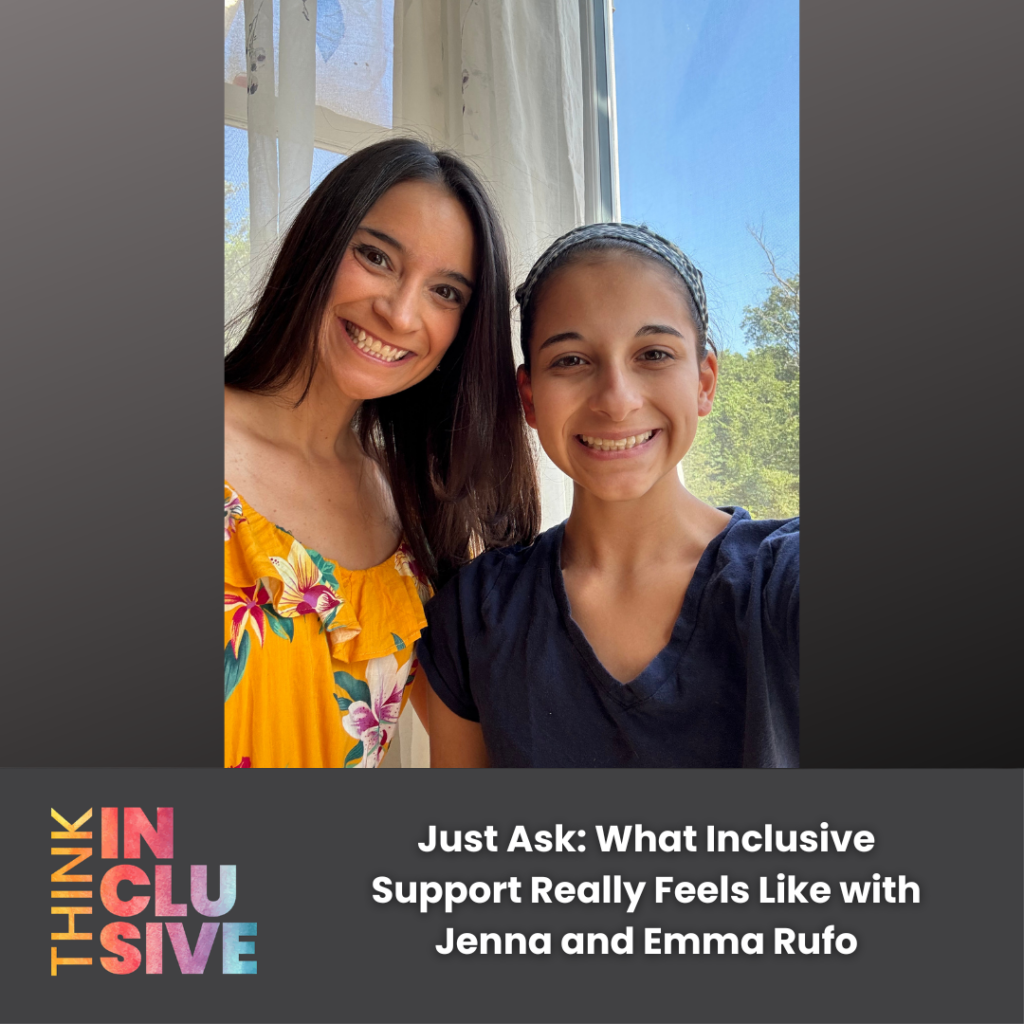
Just Ask: What Inclusive Support Really Feels Like with Jenna and Emma Rufo ~ 1401
Emma and her mom, Dr. Jenna Mancini Rufo, join Tim to talk about what happens when adults decide instead of asking. Emma describes the year her school assigned her an aide after she tipped her chair at an outdoor party, why that felt like being watched rather than helped, and how she got the support removed. She also explains why she chose to stay in her wheelchair the following year rather than risk a fall that would bring the aide back.
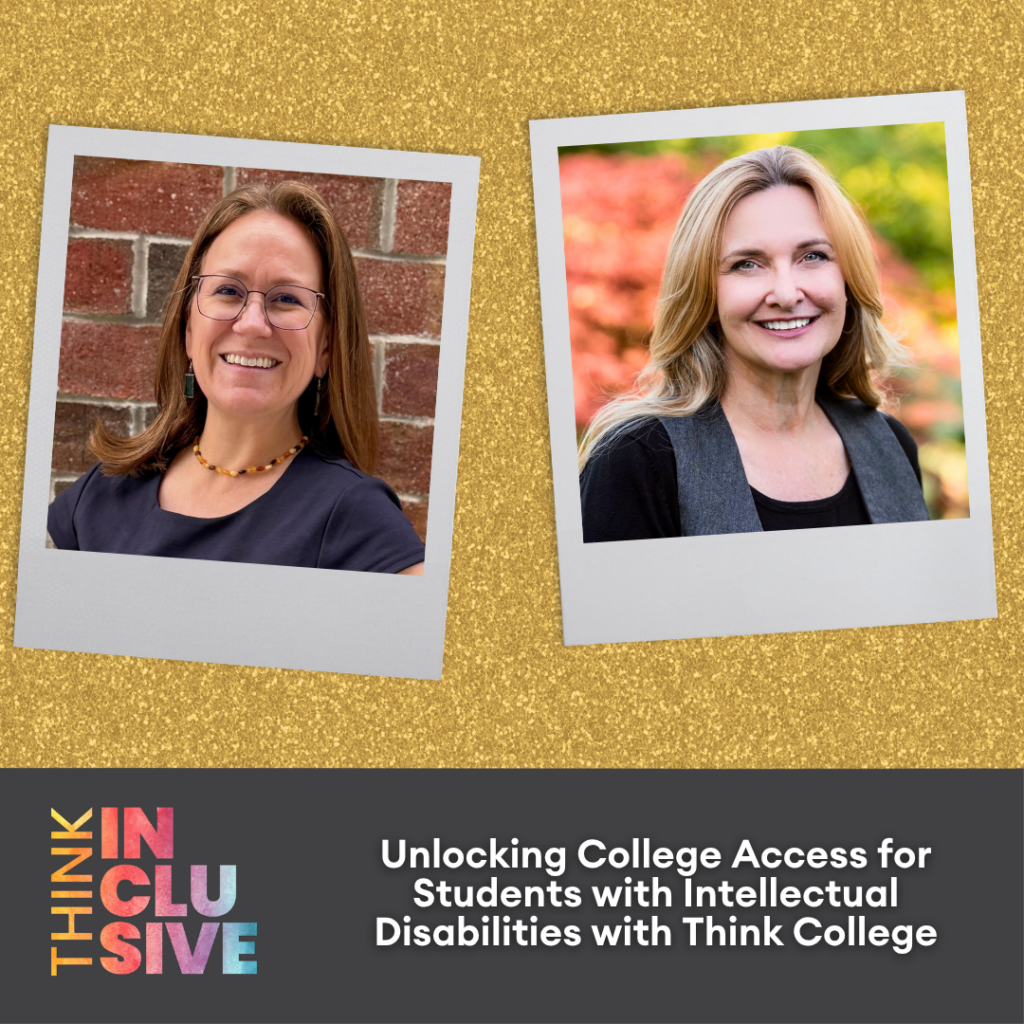
Unlocking College Access for Students with Intellectual Disabilities with Think College ~ 1343
In this insightful episode of Think Inclusive, Tim Villegas is joined by LeDerick Horne, a distinguished advocate for inclusive education and a spoken word poet. The conversation delves into the implications of labeling in education and the transformative power of truly inclusive environments. As someone who has navigated the challenges of a learning disability, Horne shares his journey and the significance of acknowledging disability as a political identity.
Think College: A Series on Changing Mindset Around Who College Is For
For a long time, college wasn’t part of the conversation for students with intellectual disability. Right now, only 2 percent of school-age students with intellectual disability go to college. That’s changing. Across the country, a growing number of colleges and universities are building programs where these students take classes, live in the dorms, hold jobs, […]
Authors and Advocates Who Have Shaped Think Inclusive
As we return to another school year, we’re taking a look at some of the voices that have shaped Think Inclusive. Since 2012, the podcast has featured hundreds of conversations, many with disabled authors and self-advocates. Here are just a few: Disabled authors on the podcast Eric Garcia, We’re Not Broken: Changing the Autism ConversationEric […]
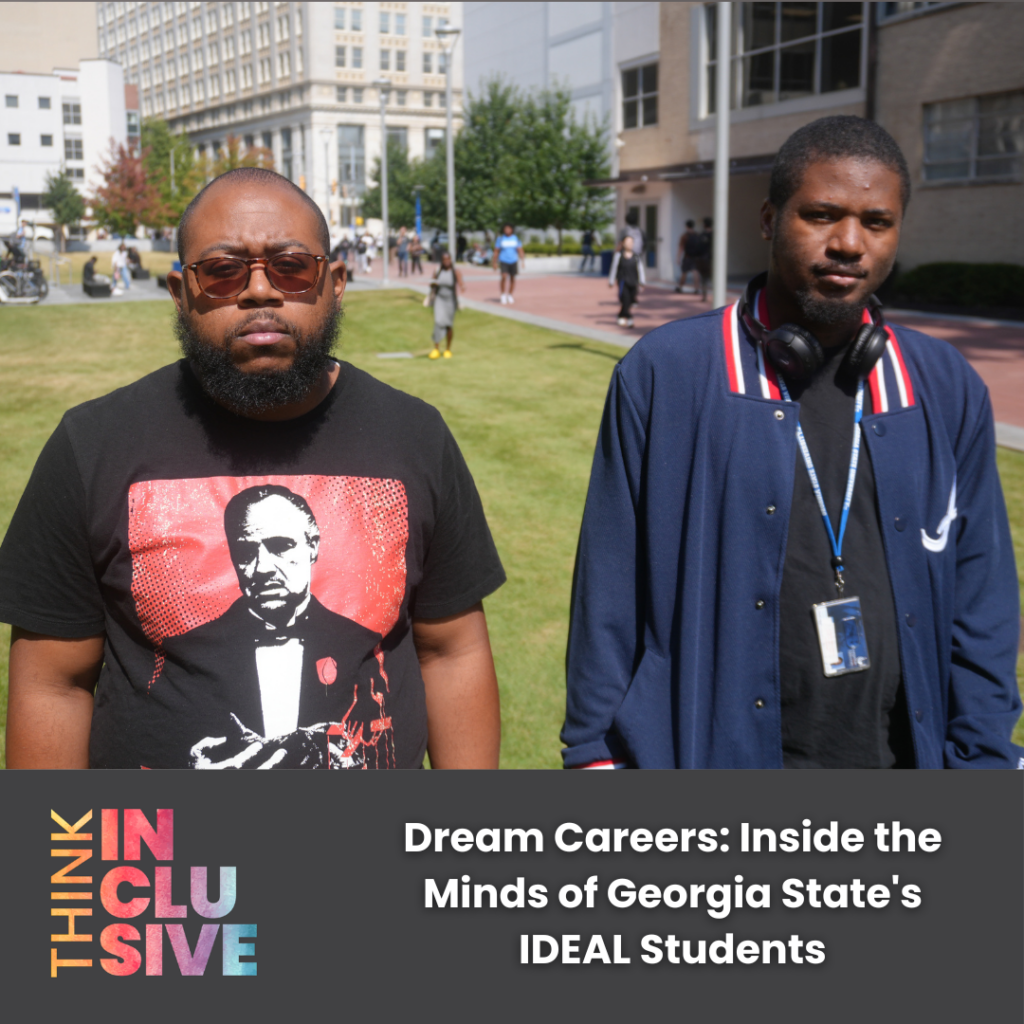
Dream Careers: Inside the Minds of Georgia State’s IDEAL Students ~ 1342
Join us for episode three of MCIE's "Think Inclusive" four-part series in collaboration with Think College, as Tim Villegas visits the IDEAL program at Georgia State University in downtown Atlanta. IDEAL — Inclusive Digital Expression and Literacy — is a college program for students with intellectual disabilities built around creative media: film, television, and digital arts. It is also a commuter program. There are no dorms and no leafy college town here. Every student crosses one of the most traffic-choked metro areas in the country to get to class, some of them spending three hours a day on buses or paratransit for the privilege. The episode opens in a careers class, where nine students name their dream careers: veterinarian, flight attendant, musician, actor, podcaster, comic book writer.
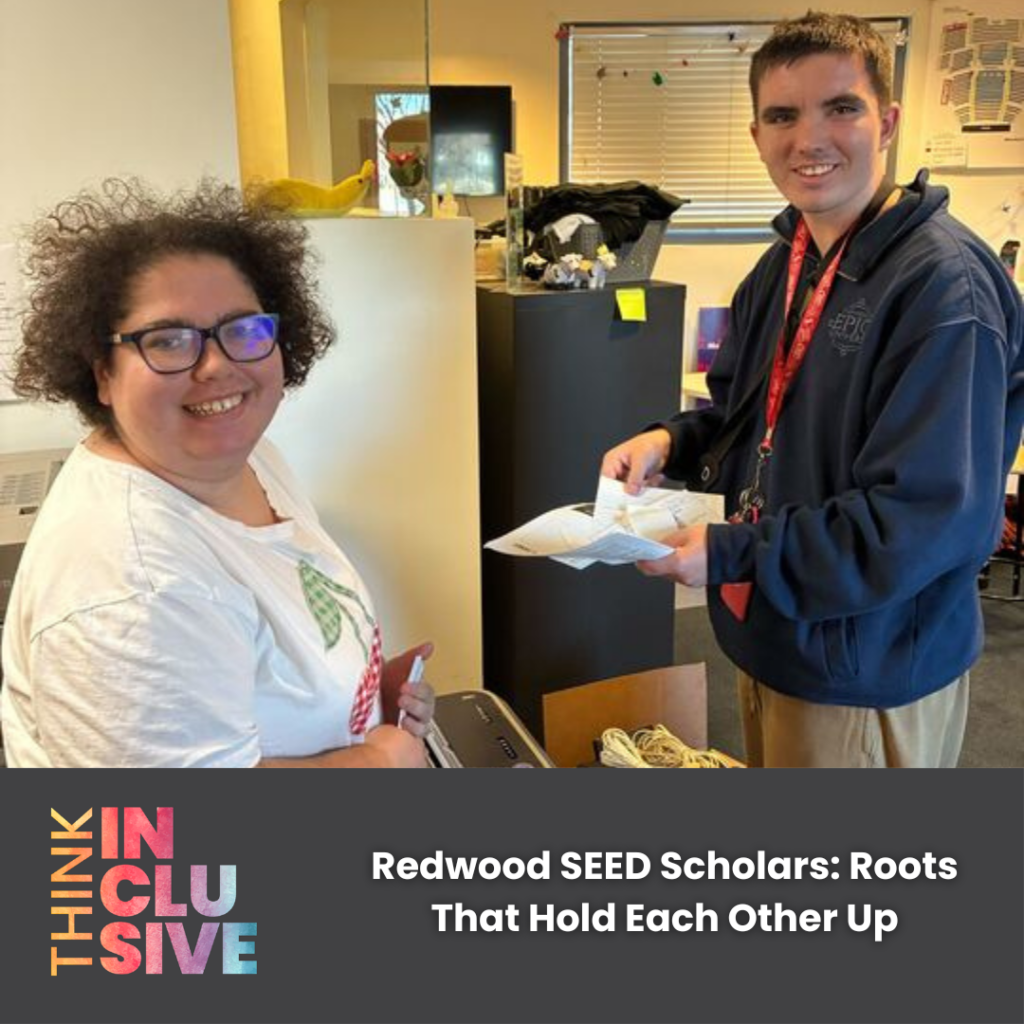
Redwood SEED Scholars: Roots That Hold Each Other Up ~ 1341
Join us for episode two of MCIE's "Think Inclusive" four-part series in collaboration with Think College, as Tim Villegas travels to the University of California, Davis, to visit the Redwood SEED Scholars Program — California's first four-year residential college program for students with intellectual disabilities, and the first at any UC campus. SEED stands for Supported Education to Elevate Diversity, and the name comes from an unlikely grove of redwood trees growing in the Central Valley heat, holding each other up by their shallow, interlocking roots. It's a fitting image for a program built on community: scholars live in the dorms, take UC Davis classes across 27 different departments, work paid jobs on campus and in town, and are surrounded by more than 170 paid peer mentors.